


-

Add: HeBei ShengShi HongBang Cellulose Technology CO.,LTD.
-

Email
13180486930@163.com -

CONTACT US
+86 13180486930




In today’s fast-paced manufacturing and construction industries, the demand for sustainable and cost-effective raw materials is driving attention toward rubber powder for sale . Derived from the recycling of used tires and industrial rubber scraps, rubber powder represents not only a valuable resource but a step toward environmental responsibility. Its unique properties—elasticity, durability, and compatibility—make it indispensable across a wide range of applications, from asphalt to playgrounds and waterproofing membranes. The market for rubber powder for sale has grown significantly as businesses seek to cut costs without sacrificing performance. Unlike traditional virgin rubber compounds, recycled rubber powder offers equivalent functional characteristics at a fraction of the cost. It can be used as a filler, modifier, or even a primary material in processes involving injection molding, paving, and sealant formulation. What makes rubber powder for sale truly compelling is its environmental footprint. Reusing discarded rubber helps reduce landfill waste and limits the carbon emissions associated with producing new synthetic rubber. As a circular economy solution, rubber powder addresses both sustainability and performance goals, enabling manufacturers to deliver eco-conscious products that perform reliably across industries. Chlorinated Rubber Powder: Weather Resistance Meets Chemical Durability Among the many types of recycled rubber materials, chlorinated rubber powder holds a special place for its chemical resilience and outdoor durability. This specialized rubber powder is created by chemically modifying natural rubber to introduce chlorine atoms, which significantly improve its resistance to acids, alkalis, solvents, and harsh weather conditions. The resulting chlorinated rubber powder is ideal for use in protective coatings, marine paints, adhesives, and high-performance sealants. Its ability to resist oxidation and degradation under UV light makes it an excellent choice for long-term exposure applications, such as ship hulls, bridges, and outdoor structures. It adheres well to metals, concrete, and composite surfaces, forming a barrier that protects underlying materials from corrosion and mechanical damage. Formulators in the paint and coatings industries rely on chlorinated rubber powder to achieve quick-drying, abrasion-resistant finishes that can withstand years of environmental stress. Additionally, this rubber type boasts low permeability and excellent adhesion, even under wet conditions, offering enhanced performance in safety-critical environments. As industries pivot toward longevity and minimal maintenance, the demand for chlorinated rubber powder continues to rise. Its chemical structure makes it one of the most versatile additives in industrial formulations, valued for both its performance and cost efficiency. Rubber Accelerator Free Gloves: Safety Meets Skin Sensitivity In healthcare, food handling, and cleanroom environments, glove safety isn’t just about barrier protection—it's about skin compatibility and long-term user comfort. That’s where rubber accelerator free gloves come into play. Traditional rubber gloves, while effective at blocking contaminants, often cause allergic reactions due to accelerators like thiurams, carbamates, or mercaptobenzothiazole used in the vulcanization process. These accelerators are known allergens and can trigger contact dermatitis in sensitive users. Rubber accelerator free gloves offer the same strength, elasticity, and tactile sensitivity as traditional gloves, but without the risk of chemical irritants. By eliminating accelerators, manufacturers create gloves that are hypoallergenic and suitable for long-term use in hospitals, laboratories, and high-precision environments. These gloves are also ideal for workers exposed to glove use for extended hours, helping reduce the incidence of occupational dermatitis. In addition to skin safety, rubber accelerator free gloves comply with stringent regulations regarding food safety, medical certification, and chemical resistance. They maintain high tensile strength and puncture resistance while offering a soft, comfortable feel. The production of accelerator-free gloves represents an industry shift toward user-centric design, prioritizing health without compromising performance. As workplace safety standards evolve and the prevalence of latex and chemical allergies increases, the popularity of rubber accelerator free gloves will only grow. Institutions prioritizing both staff well-being and compliance are making the switch, ensuring safer and more comfortable work environments for all. Natural Rubber Powder: The Versatile Eco-Friendly Compound In the world of sustainable materials, natural rubber powder is gaining recognition as a versatile, biodegradable, and cost-efficient alternative to synthetic polymers. Made by finely grinding virgin or scrap natural rubber, this powder retains the intrinsic elasticity, tensile strength, and resilience of its source material, offering a wide array of application possibilities. Natural rubber powder is widely used in manufacturing automotive parts, footwear, rubberized flooring, adhesives, and even waterproofing agents. It serves as an excellent filler or reinforcement agent, improving the mechanical properties of base compounds while reducing overall material costs. Because it's derived from renewable sources such as Hevea brasiliensis trees, it also appeals to brands and industries pushing toward greener production standards. One key advantage of natural rubber powder is its superior compatibility with other elastomers and resins. Whether it’s thermoplastic blends or rubber-modified asphalt, this powder enhances elasticity, shock absorption, and aging resistance. It can also be customized by particle size, surface treatment, or chemical composition to meet specific industrial needs. For producers aiming to reduce their environmental impact without sacrificing product performance, natural rubber powder presents a compelling option. It supports circular material flows, reduces dependency on petrochemical-based synthetics, and aligns with growing consumer demand for eco-conscious products. Choosing the Right Rubber Solution: From Chlorinated Rubber Powder to Rubber Accelerator Free Gloves Navigating the world of rubber materials can be complex, especially when trying to balance cost, safety, and performance. Whether you're searching for rubber powder for sale for large-scale paving projects or selecting rubber accelerator free gloves for clinical settings, the choice of the right compound depends on your unique requirements. If your priority is environmental responsibility combined with mechanical strength, natural rubber powder is a perfect fit. It’s suitable for sustainable manufacturing processes and products requiring biodegradability. On the other hand, chlorinated rubber powder should be your go-to if you need resistance to weather, chemicals, and corrosion—making it ideal for paints, industrial coatings, and outdoor adhesives. When it comes to personal protective equipment, rubber accelerator free gloves ensure that health doesn’t come at the cost of user comfort. They are indispensable for hospitals, food service workers, and any workplace concerned with chemical sensitivities or allergies. The growing availability of rubber powder for sale online and through wholesale distributors means that businesses can easily access tailored materials for specific applications. Buyers should always consider particle size, purity, and material origin when making a purchase to ensure optimal results. Partnering with reputable suppliers ensures consistency, quality assurance, and technical support for customized rubber solutions. Rubber powder FAQs What are the typical applications of rubber powder for sale? Rubber powder is used in a wide range of applications including road construction, rubber mats, molded products, adhesives, sealants, and industrial flooring. It’s often used to enhance asphalt elasticity, reduce noise, and improve weather resistance. Manufacturers also use it to reduce costs by substituting a portion of virgin rubber with powdered forms in non-critical parts. Why choose chlorinated rubber powder over regular rubber compounds? Chlorinated rubber powder offers superior resistance to chemicals, saltwater, UV light, and ozone. This makes it an ideal material for outdoor coatings, marine paints, and environments where exposure to harsh elements is unavoidable. Its fast-drying and long-lasting properties are valued in high-performance industrial coatings. Are rubber accelerator free gloves more expensive than regular gloves? Initially, rubber accelerator free gloves may be slightly more expensive due to the specialized production process. However, they reduce costs related to workplace allergies, medical claims, and staff discomfort. Over time, the investment pays off through higher productivity, fewer skin issues, and improved compliance with safety regulations. How is natural rubber powder produced and is it eco-friendly? Natural rubber powder is produced by grinding scrap or virgin natural rubber into fine particles, often under cryogenic conditions to preserve elasticity. It’s eco-friendly because it comes from renewable sources and reduces waste by reusing scrap material. Its biodegradability and reduced reliance on petroleum-based compounds make it a sustainable choice. Can rubber powder for sale be used in 3D printing or new manufacturing technologies? Yes, research and development are underway to integrate rubber powder for sale into advanced manufacturing, including flexible filaments for 3D printing. Modified rubber powder is also being explored in composite materials, lightweight automotive parts, and responsive surfaces. Its adaptability to new technologies makes it a forward-looking material for innovation-driven industries.
- 40000tons

Production
- 20+years

Experience
- 5000+㎡

Acreage

-
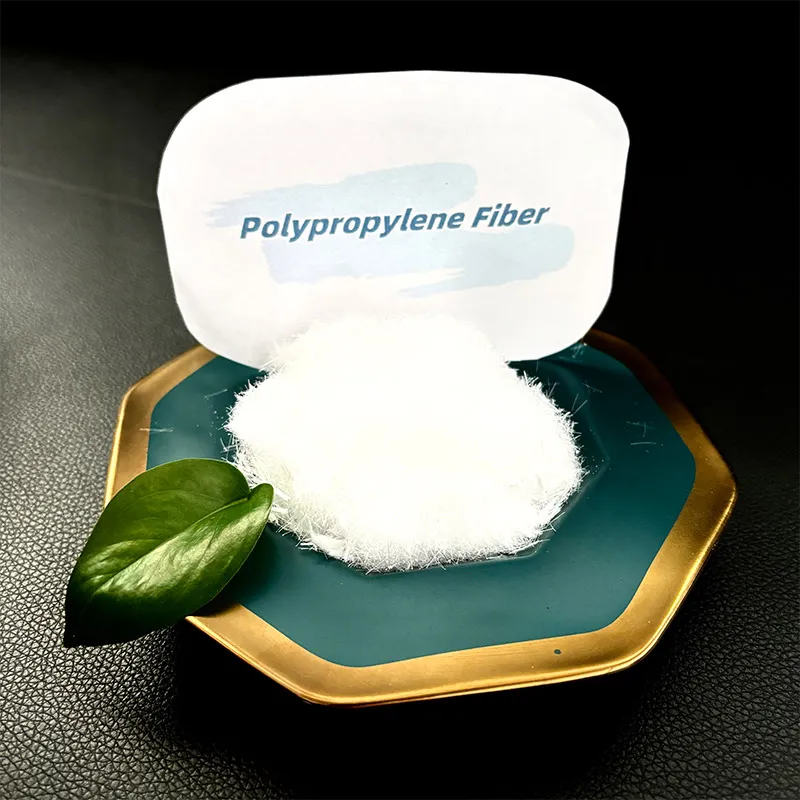
In the dynamic world of construction and infrastructure, material performance is the foundation of long-term durability. Among various reinforcement materials available in the market, polypropylene fiber for sale has emerged as a preferred solution for enhancing the tensile strength, cracking resistance, and overall resilience of cementitious materials. Whether in industrial floors, precast structures, shotcrete, or overlays, polypropylene fiber offers unmatched performance at a reasonable cost. The widespread use of polypropylene fiber for sale is due to its high chemical resistance, low density, and excellent dispersibility in concrete and mortar systems. Unlike steel fibers, polypropylene fibers are non-corrosive, lightweight, and much easier to transport and mix. As a result, they are an ideal alternative for both temporary and permanent structural applications where long-term crack control and durability are essential. Contractors, civil engineers, and builders around the globe are now turning to polypropylene fiber for sale not only for its technical benefits but also for its economic viability. From residential projects to large-scale infrastructure development, this material meets the growing demand for sustainable and long-lasting construction techniques. What Makes Polypropylene Fiber Essential for Modern Construction? Polypropylene fiber is a synthetic monofilament or fibrillated material made from 100% polypropylene, known for its exceptional strength-to-weight ratio. As a secondary reinforcement, it plays a crucial role in reducing plastic shrinkage cracking, increasing impact resistance, and improving the abrasion performance of concrete structures. Its hydrophobic nature ensures excellent moisture resistance, making polypropylene fiber an ideal additive for environments exposed to varying levels of humidity or water penetration. Once mixed with concrete, the fiber forms a three-dimensional matrix that helps distribute stress throughout the composite, significantly reducing microcrack propagation and surface degradation. One of the key advantages of polypropylene fiber is its versatility. It is widely used in tunnels, dams, bridges, pavements, shotcrete applications, and even decorative concrete surfaces. In addition to structural benefits, it also improves fire resistance by minimizing explosive spalling under high temperatures, making it valuable in fireproofing solutions. Unlike steel fibers that may corrode or clump together, polypropylene fiber is chemically inert and has excellent compatibility with other admixtures, including retarders, accelerators, and plasticizers. This compatibility ensures predictable behavior across a wide range of environmental conditions and mix designs. How Polypropylene Fiber Manufacturers Ensure Consistent Quality and Performance Selecting the right supplier is critical to achieving optimal results. Leading polypropylene fiber manufacturers implement advanced production techniques to ensure fiber uniformity, length control, and performance consistency. These manufacturers focus on producing fibers with controlled aspect ratios, tensile strengths exceeding 400 MPa, and elongation properties suitable for high-performance concrete applications. Reputable polypropylene fiber manufacturers follow rigorous quality control protocols, adhering to international standards such as ASTM C1116, EN 14889, and ISO certifications. These standards ensure that each fiber batch delivers the intended performance benefits when added to the final product. Manufacturers today are not just suppliers—they are solution providers. Many offer technical assistance to clients, helping them optimize mix designs, determine appropriate dosage levels, and conduct on-site training. Some advanced manufacturers even offer customized fiber grades tailored for specific applications, such as shotcrete or high-strength concrete overlays. Sustainability is another key focus of modern polypropylene fiber manufacturers . Many suppliers use recycled polypropylene in their production lines, aligning with global efforts to reduce construction waste and carbon emissions. As environmental concerns continue to shape industry practices, these manufacturers play a vital role in delivering both performance and responsibility. Analyzing Polypropylene Fibre Cost in a Competitive Market Understanding the dynamics behind polypropylene fibre cost is essential for procurement teams and project managers seeking the best value without compromising on quality. The cost of polypropylene fiber is influenced by several factors, including raw material prices (especially crude oil derivatives), production technology, fiber type (monofilament, fibrillated, or embossed), and packaging. On average, polypropylene fibre cost ranges between $2.00 to $4.00 per kilogram, depending on the performance grade and order volume. Premium grades with higher tensile strength, heat resistance, or specific dimensional properties may fall at the upper end of this spectrum. However, even at the higher price points, the cost-effectiveness of the material is apparent when factoring in reduced cracking, lower maintenance needs, and extended service life of the concrete. It is important to consider that polypropylene fibre cost is not merely a function of price per kilogram. The actual cost-effectiveness must be evaluated based on the fiber’s performance in the application. For instance, a slightly more expensive fiber with better dispersibility might reduce the required dosage, leading to overall savings on the material and labor fronts. Many polypropylene fiber manufacturers offer sliding-scale pricing models for bulk orders, annual contracts, or long-term supply partnerships. This flexibility allows buyers to control costs while maintaining consistency in supply and product quality. Additionally, purchasing from integrated manufacturers who manage the entire value chain—from raw material processing to final packaging—can often result in better pricing stability and reduced procurement risks. Where to Find Reliable Polypropylene Fiber for Sale Today As the global construction market continues to grow, the demand for polypropylene fiber for sale remains robust. Buyers looking for dependable sources should focus on manufacturers and suppliers with a proven track record of performance, international certifications, and a clear understanding of application-specific needs. Many reputable polypropylene fiber manufacturers have established strong distribution networks worldwide, ensuring timely delivery and local technical support. These suppliers often offer a range of fiber types, including macro synthetic fibers for structural reinforcement and microfibers for shrinkage control, giving customers the flexibility to choose the most appropriate solution. In addition to quality, logistics and after-sales support are key differentiators. Top-tier suppliers offer sample testing, customized packaging options, and prompt assistance for any technical issues that may arise during product integration. Some also provide digital platforms that allow clients to track shipments, download technical data sheets, and access training materials, streamlining the procurement and application processes. Today’s market offers a wealth of opportunities to source polypropylene fiber for sale at competitive rates. However, buyers should look beyond price and focus on long-term performance, quality assurance, and the reputation of the supplier. Doing so ensures consistent concrete performance and maximized return on investment over the lifecycle of the construction project. Polypropylene fiber FAQs What are the main benefits of using polypropylene fiber in concrete? Polypropylene fiber improves the tensile strength, crack resistance, and durability of concrete. It forms a three-dimensional network within the mix, minimizing plastic shrinkage and surface cracking. Additionally, it enhances impact resistance, freeze-thaw performance, and reduces permeability, all contributing to longer service life in challenging environments. How does polypropylene fibre cost compare with steel fiber reinforcement? Polypropylene fibre cost is generally lower than steel fibers when considering material cost alone. However, the real advantage lies in its lightweight nature, non-corrosive properties, and ease of handling, which reduce transportation and labor costs. In many applications, polypropylene fibers provide similar performance at a fraction of the total installed cost. What dosage of polypropylene fiber is recommended for concrete reinforcement? Dosage depends on the fiber type and application. For microfibers used for shrinkage control, the typical dosage ranges from 0.6 to 1.2 kg per cubic meter. For structural macro fibers, dosages can range from 3 to 6 kg per cubic meter. It’s important to follow supplier recommendations and conduct performance testing to determine the optimal amount. Can polypropylene fiber be used in shotcrete applications? Yes, polypropylene fiber is commonly used in shotcrete, especially in tunneling, mining, and slope stabilization projects. It improves cohesion, reduces rebound loss, and enhances surface finish. Additionally, its non-metallic nature makes it suitable for applications requiring corrosion resistance and long-term durability. Are all polypropylene fiber manufacturers the same in terms of quality and service? No, the quality and reliability of polypropylene fiber manufacturers can vary significantly. Reputable suppliers adhere to international standards, offer comprehensive technical support, and maintain strict quality control during production. When sourcing fiber, it's essential to evaluate the supplier’s track record, certifications, and willingness to provide performance data or samples for evaluation.
-

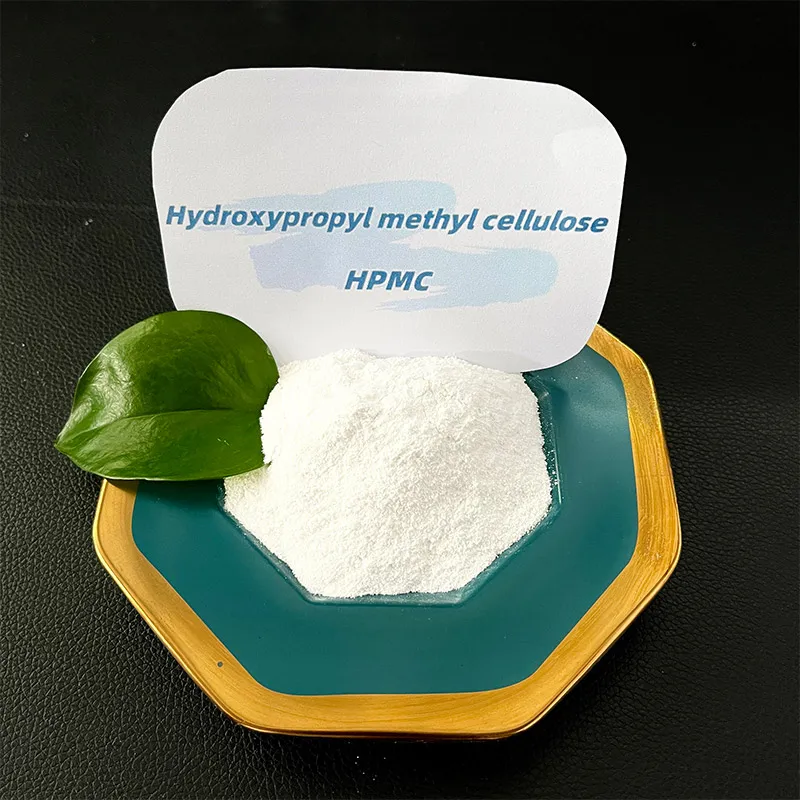
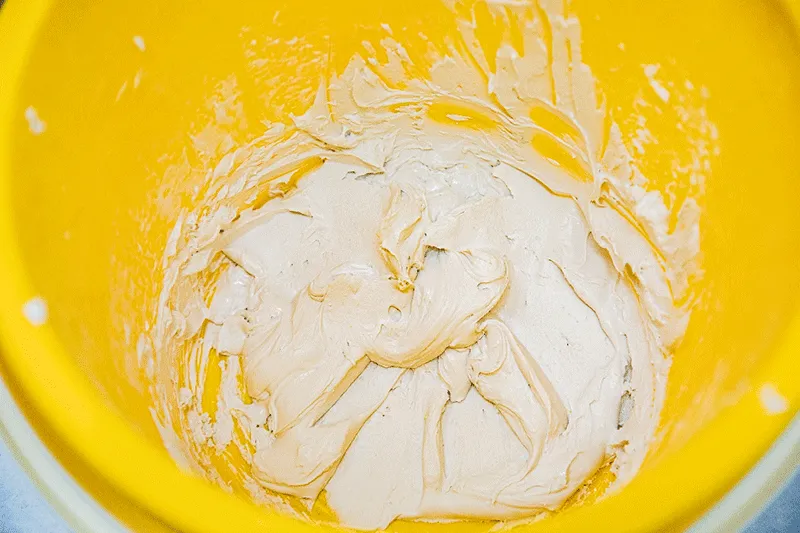
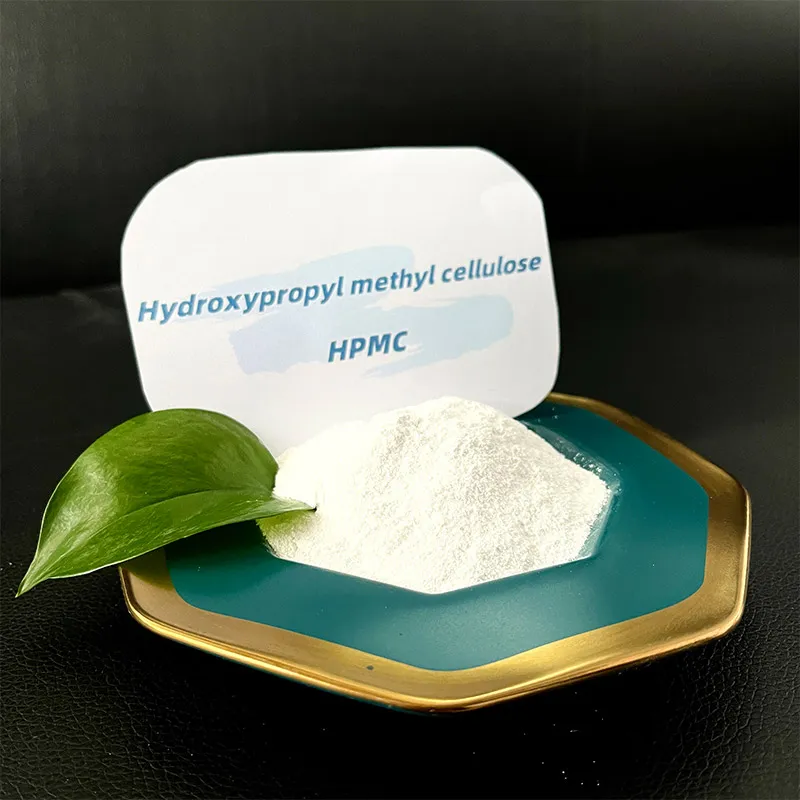
Hydroxypropyl Methylcellulose (HPMC) stands as a unique and versatile compound with a broad range of applications, making it an essential component in various industries including pharmaceuticals, construction, and food production. Its remarkable properties and benefits have earned it a significant place in the market, and understanding its comprehensive functionality can enhance user experience considerably. HPMC, a chemically modified cellulose polymer, boasts exceptional qualities such as thermal stability, water solubility, and film-forming capabilities. These attributes make it indispensable in the pharmaceutical industry, where it serves principally as a controlled drug release agent and a binding component in tablets. One practical application in this realm is its use in creating time-release capsules, which ensures a consistent and gradual release of medication, enhancing therapeutic efficacy. Such innovations leverage the unique mechanical and physical properties of HPMC, demonstrating its expertise and crucial role in pharmaceutical advancements. In the construction industry, HPMC is celebrated for its capabilities as a water-retention agent and a performance enhancer for cement and gypsum products. The inclusion of HPMC in mortar and plaster formulations leads to improved workability and adhesion, while significantly reducing water loss . This brings about increased durability and strength in final structures. Construction professionals recognize HPMC's authority in optimizing the setting time and workability of cementitious mixtures, establishing trust and reliability in infrastructural development applications. hpmc Additionally, HPMC exhibits significant utility in the food industry as a food additive and stabilizer. Its application can be observed in the production of gluten-free products, where HPMC acts as a substitute for gluten, thereby maintaining the structure and texture of the culinary product without compromising quality. This speaks to its authoritative role as a reliable component in crafting food products that cater to specialized dietary requirements, underscoring its trustworthiness as an ingredient for both food manufacturers and consumers seeking safe and quality products. Moreover, HPMC stands out due to its biocompatibility and non-toxic nature, fostering trust and confidence in its use across various applications. From eco-friendly packaging films to personal care items like lotions and shampoos, the versatility of HPMC ensures every product benefits from enhanced stability and performance, reinforcing the user’s trust in product safety and efficacy. Technological advancement and tailored applications continue to highlight the significant experiential and specialized application of HPMC. The continued research into this compound promises further enhancements and innovations, expanding its utility spectrum and maintaining its prominent position in diverse industries. This focus on experience, expertise, authoritativeness, and trustworthiness ensures HPMC remains a groundbreaking and reliable component, well-suited to meet contemporary market demands.
advantages
-

200000 Viscosities
Excellent product
We can produce pure products up to 200,000 viscosities
-

40000 tons
High yield
We don’t stop production all year round, and the annual output can reach 40,000 tons
-

24 hours
Quality service
We provide 24-hours online reception service, welcome to consult at any time
———— Inquiry Form
Schedule A services


-
 hydroxypropyl_methylcellulose_2
Oct . 25, 2025
HPMC E5 LV, connu sous le nom de hydroxypropylméthylcellulose, est un polymère essentiel dans l'indu -
 hpmc_for_construction
Oct . 25, 2025
What is HPMC Made From? Hydroxypropyl Methylcellulose (HPMC) is a versatile and widely used polymer -
 hpmc_applications
Oct . 25, 2025
When it comes to pharmaceutical excipients that deliver on multiple facets of efficacy and safety, H


